|
Bizimungu Dieudonne LP out today, warehouse clearing sale on now! ͏ ͏ ͏ ͏ ͏ ͏ ͏ ͏ ͏ ͏ ͏ ͏ ͏ ͏ ͏ ͏ ͏ ͏ ͏ ͏ ͏ ͏ ͏ ͏ ͏ ͏ ͏ ͏ ͏ ͏ ͏ ͏ ͏ ͏ ͏ ͏ ͏ ͏ ͏ ͏ ͏ ͏ ͏ ͏ ͏ ͏ ͏ ͏ ͏ ͏ ͏ ͏ ͏ ͏ ͏ ͏ ͏ ͏ ͏ ͏ ͏ ͏ ͏ ͏ ͏ ͏ ͏ ͏ ͏ ͏ ͏ ͏ ͏ ͏ ͏ ͏ ͏ ͏ ͏ ͏ ͏ ͏ ͏ ͏ ͏ ͏ ͏ ͏ ͏ ͏ ͏ ͏ ͏ ͏ ͏ ͏ ͏ ͏ ͏ ͏ ͏ ͏ ͏ ͏ ͏ ͏ ͏ ͏ ͏ ͏ ͏ ͏ ͏ ͏ ͏ ͏ ͏ ͏ ͏ ͏ ͏ ͏ ͏ ͏ ͏ ͏ ͏ ͏ ͏ ͏ ͏ ͏ ͏ ͏ ͏ ͏ ͏ ͏ ͏ ͏ ͏ ͏ ͏ ͏ ͏ ͏ ͏ ͏ ͏ ͏ ͏ ͏ ͏ ͏ ͏ ͏ ͏ ͏ ͏ ͏ ͏ ͏ ͏ ͏ ͏ ͏ ͏ ͏ ͏ ͏ ͏ ͏ ͏ ͏ ͏ ͏ ͏ ͏ ͏ ͏ ͏ ͏ ͏ ͏ ͏ ͏ ͏ ͏ ͏ ͏ ͏ ͏ ͏ ͏ ͏ ͏ ͏ ͏ ͏ ͏ ͏ ͏ ͏ ͏ ͏ ͏ ͏ ͏ ͏ ͏ ͏ ͏ ͏ ͏ ͏ ͏ ͏ ͏ ͏ ͏ ͏ ͏ ͏ ͏ ͏ ͏ ͏ ͏ ͏ ͏ ͏ ͏ ͏ ͏ ͏ ͏ ͏ ͏ ͏ ͏ ͏ ͏ ͏ ͏ ͏ ͏ ͏ ͏ ͏ ͏ ͏ ͏ ͏ ͏ ͏
|
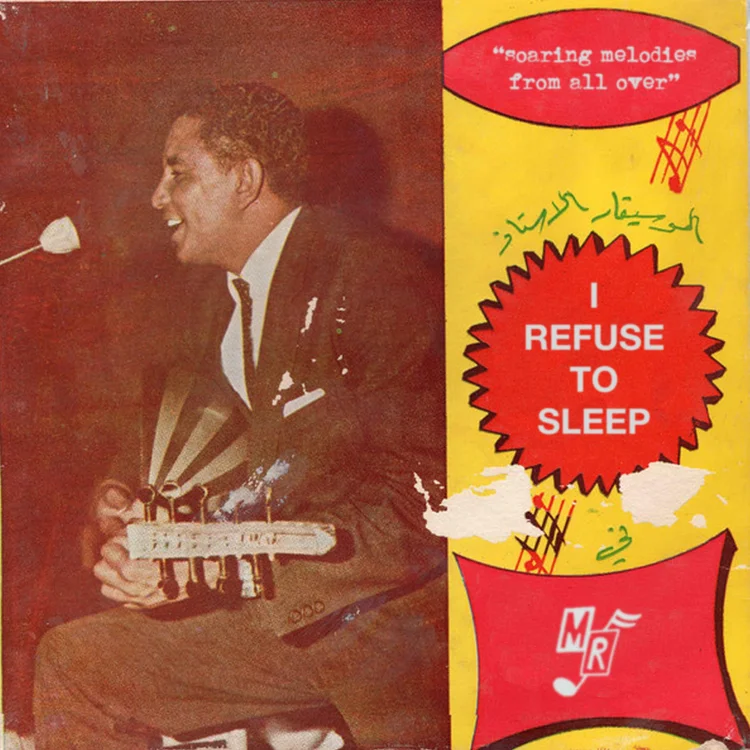
In this edition: OUT TODAY: Bizimungu Dieudonne - Inzovu Y’imirindi MISSISSIPPI RECORDS SALE Year-end warehouse cleanout… Harmonies of Faith: An interview with Jackson Mvungayni on Rwandan spiritual music New In The Shop: new distro titles from Studio One, Discotchari, Ultraääni, and Lobby Art Editions NTS MIX: “I Refuse to Sleep - Soaring Melodies from All Over” Upcoming Events in New York and Portland
|
|
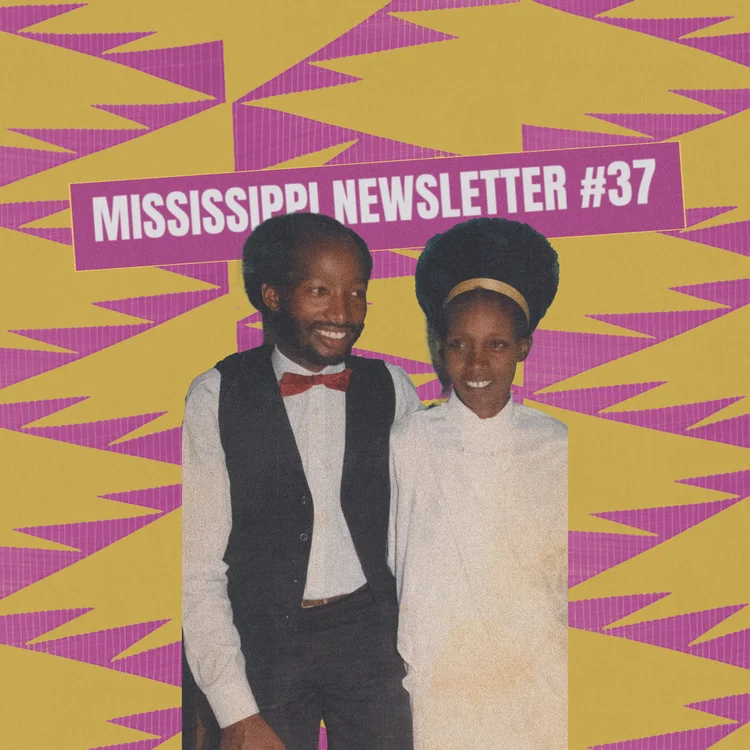
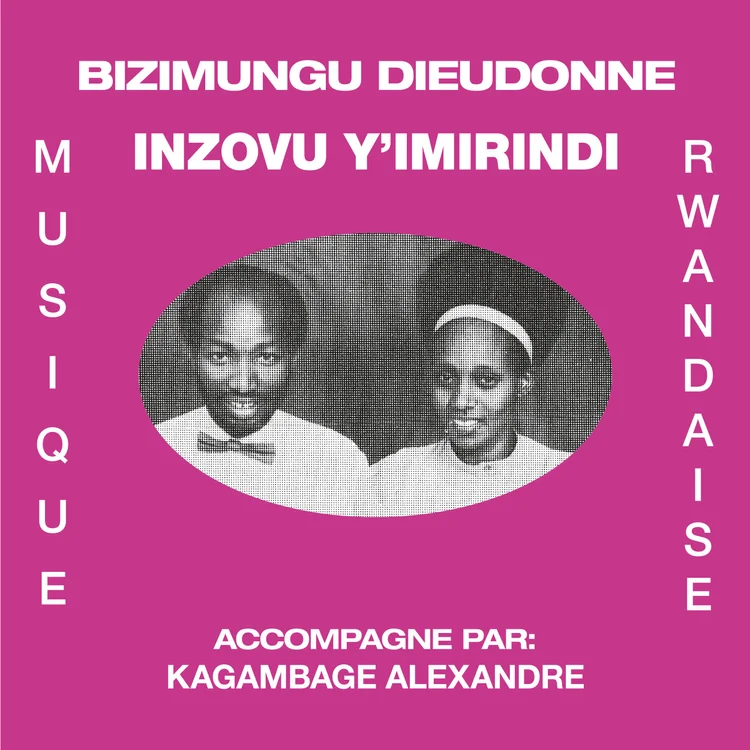
Dear friends, Today we release Bizimungu Dieudonne's late-80s Rwandan masterpiece, Inzovu Y’imirindi (“The Elephant of Great Strides). For the last seven years I’ve been listening to a digital rip of this music (transferred about 10% too fast, I later learned). It feels really important to finally share it, at proper speed, with all of you.
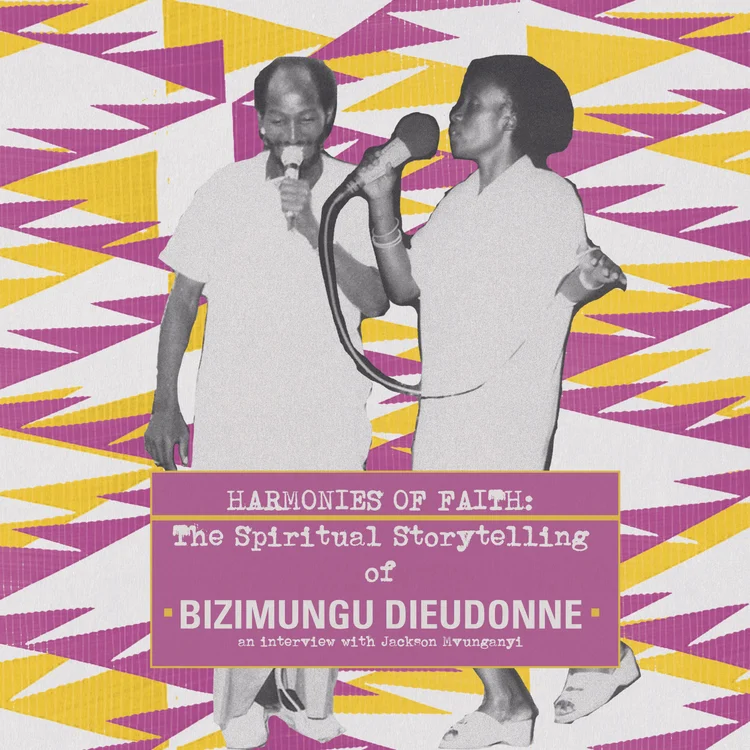
In our interview with Jackson Mvunganyi below, you can read about how we came to meet Bizimungu Dieudonne’s surviving daughter, Noella Akayezu, her passion for preserving her family’s music after losing her parents in the Rwandan Genocide of 1994, and our plans to get their work out in Kigali and beyond.
Even more than most of our releases, I’m amazed by the long, winding journey this music has taken, and the instances of bravery, foresight, and pure chance that resulted in us hearing it today. I think of the long lineages of artists and collaborators it takes to create a counter-archive - a global network of people dedicated to preserving an alternate history of music that others have tried to silence.
It’s intimidating to release work with so much historical and personal significance into the world, especially when you don’t speak the language. Right before we went to press, and after a few sleepless nights, I decided to pause. We needed a final set of eyes on the lyrics and the writing. I cold-called the celebrated Rwandan author Scholastique Mukasonga to ask if she’d review our work. Her stunning and heart-wrenching novels and memoirs had guided me through the project. She wrote back within hours, and graciously gave us her time and energy to make sure the lyrics reflected as closely as possible Bizimungu Dieudonne’s intentions and vision. It turns out one of her sons in Paris is a fan of the label, and releases his own electronic music. She ended her first email to me “Dukomere, turikumwe” - “Let’s be strong, let’s be together.”
Our huge gratitude to Noella Akayezu, Scholastique Mukasonga, Jackson Mvunganyi, Derrick Ndushabandi, Matthew Lavoie, and everyone who made this record possible. The global network continues to expand.
All the love,
Cyrus + Mississippi Records
|
|
MRI-216
Bizimungu Dieudonne - Inzovu Y'Imirindi LP
Out Today!!! LISTEN / ORDER In the late 1980s, singer Bizimungu Diudonne, his wife Agnes Uwimbabazi, and a backing band of family and friends self-released a visionary cassette, featuring stuttering electric guitars, loping bass lines, and call and response vocals. Their combo of 80s studio wizardry rooted in traditional Rwandan praise songs resulted in hypnotic, extended jams unlike anything else released in East Africa at the time. The lyrics praised the beauty of the countryside and the exploits of the ancient gods. On gospel-tinged acoustic tracks bookending the electric bangers, Bizimungu and Agnes called for unity in their divided nation.
|
|
Jackson Muneza M’vunganyi is an award-winning radio and television broadcaster, journalist, and producer. As the host of UpFront—a youth-focused talk show on the Voice of America (VOA)— Jackson reached over 35 million listeners weekly across Africa and beyond.
Jackson and I were put in touch by a mutual friend. He happened to be visiting family in Rwanda, and has had a passion for releasing Rwandan music for decades. He agreed to see if he could find anyone related to Bizimungu Dieudonne and Agnes Uwimbabazi, the husband-wife duo who led the band and who were both killed in the Rwandan Genocide against the Tutsi in 1994. I followed his journey from New York. It took a while, but one day he called me with good news… Cyrus Moussavi: Hey Jackson, how did you go about finding Bizimungu and Agnes’ daughter, Noella Marie Akayezu?
Jackson M’vunganyi: Honestly, it wasn’t easy. There were almost no public records of Bizimungu’s family since both he and his wife, Agnes, were killed during the 1994 genocide against the Tutsi. For a long time, it seemed like his story, and that of his family, had completely vanished. But then I learned that they had left behind an 9-year-old daughter named Noella. I started digging online, hoping to find any trace of her, and eventually stumbled upon a YouTube video of a TV interview. It featured a group of women discussing Bizimungu’s legacy and performing renditions of his music—and there she was, Noella herself. That discovery set everything in motion. I traveled to Kigali and began reaching out to different people, including the founder of the TV station that had aired that interview. After a lot of calls and persistence, I finally managed to locate her. It was one of those moments that felt both surreal and deeply meaningful. We spoke on phone and set up a meeting in downtown Kigali. What was her response when you proposed the project? JM: She was incredibly warm and receptive. You could see how much it meant to her that her father’s music would reach a new generation of Rwandans. For her, it wasn’t just about the songs—it was about keeping his legacy alive and giving people, especially young listeners, a chance to rediscover that piece of Rwanda’s cultural history. Were you familiar with this music before? Maybe you could tell me about Kagambage Alexandre and your connections there. JM: Yes, I actually was. Back in the late ’90s, my brother ran a small music distribution company in Kigali. He used to buy the rights to artists’ work and mass-produce their records for sale. Around that same time, I was working at the National Radio. So between my brother’s business and my work at the station, I got exposed to a lot of Rwandan music—Bizimungu’s included. As someone who didn’t grow up in Rwanda, everything about the music and instruments fascinated me. It was a window into a part of my identity I hadn’t experienced firsthand. I found myself digging deeper, collecting old sounds from Bizimungu’s era and beyond. When I traveled to the U.S. for the first time in 2000, I actually packed about 20 cassette tapes of inanga music—from legends like Rujindiri and others. Even back then, I had this dream of one day digitizing those recordings so more people could hear and appreciate them. That dream has stayed with me ever since. It was also through my brother that I initially met Alexandre Kagambage in the late 90’s. He used to come to his music store to talk business. He was a well-known figure in the Rwandan music industry with many of his songs constantly played on streets, regular airplay on the local radio station and at local weddings. During my first year in Law school at the National University of Rwanda, I was part of a music band comprised of fellow university students. On one occasion we got to hang out and perform on stage with Mr. Kagambage at a music festival in the west of the country (a town named Cyangugu). That was the last time I saw him.
|
|
How is Bizimungu seen in Rwanda today? JM: Sadly, not many young people know about him or his music anymore—and that’s exactly what we hope this project can change. His songs capture so much of Rwanda’s spiritual, poetic, and cultural soul, and it would be a loss for them to fade away. How do people respond to art from that time in general? Is it something people want to forget? JM: It’s complicated. For some, that era of music feels tied to a painful past, but for many others, it’s a link to who we are. The melodies, the poetry, the instruments—they carry the essence of Rwandan storytelling. It’s not about nostalgia; it’s about remembering, preserving, and reimagining what it means to be Rwandan through sound. Tell me about Bizimungu's use of language. Was it difficult to translate and why? Why do you think he used this old style of language? What was he trying to get across? JM: Yes, translating Bizimungu’s lyrics was a real challenge. He wrote in a very poetic, almost ancestral form of Kinyarwanda—rich with idioms, metaphors, and spiritual references. It’s not the kind of language people use in everyday conversation today. But that’s what made his work so special. He was reaching back to Rwanda’s oral traditions—using words and rhythms that connected the living with the ancestors. It’s as if he wanted his listeners to feel the continuity between past and present, between culture and faith. Translating that without losing its emotional weight was delicate work but deeply rewarding as I got to learn some new words in the process.
|
|
Tell me about the back and forth between Bizimungu’s songs of the ancestral Rwandan spirits, and Agnes’ Catholic songs. It’s interesting to hear how these two belief systems lived side by side. JM: That’s one of the most fascinating parts of their story. In their home—and even in their band—you could see these two spiritual worlds coexisting. Bizimungu’s songs spoke to ancestral spirits and traditional values, while Agnes’s music was rooted in her Catholic faith. But instead of clashing, they complemented each other. Their art became a dialogue between belief systems—a living example of how Rwandans have always found ways to harmonize tradition and faith, rather than choose between them. If you can, let’s talk a bit about the musical side of things. I’ve never heard anything like the guitar playing on the electric songs on the album. To my untrained ear, they sound like inanga lines. Am I right? Are there even inanga versions of the songs? JM: You’re absolutely right to pick that up. The guitar playing on those tracks borrows heavily from the inanga style—those looping, rhythmic lines that mimic the patterns of the traditional instrument. Bizimungu and his peers of the time, were masters at translating traditional sounds into modern instruments. And yes, there are inanga versions of some of those songs. It’s as if the electric and traditional versions are in conversation with each other—one grounded in heritage, the other exploring new forms of expression. That blending of old and new is what makes Bizimungu’s music timeless and gives me confidence that it will be well received by a new generation of music fans.
|
|
The Mississippi Online Shop is freshly stocked with hard to find and beautiful records by labels we admire….
|
|
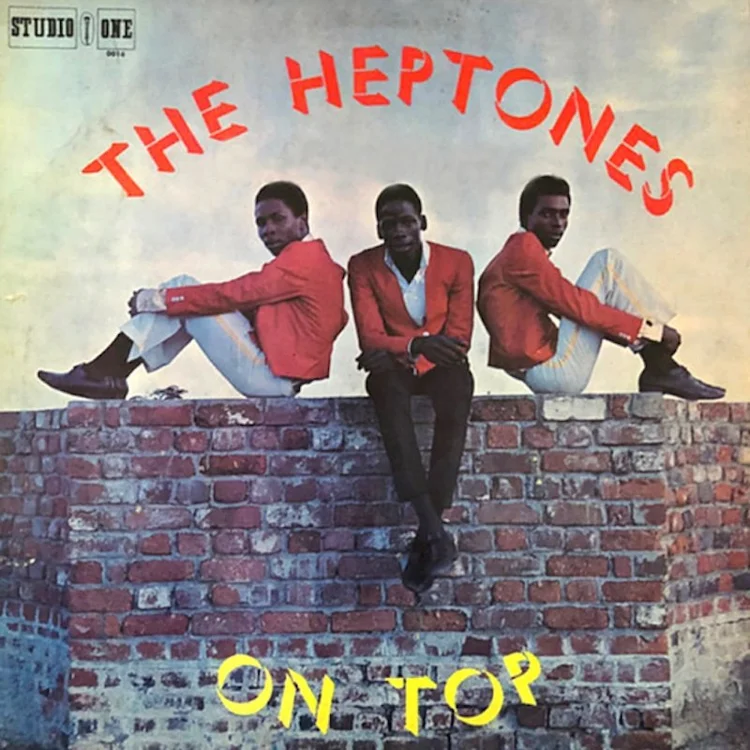
Studio OneThe Heptones - On Top One of the greatest records of the rocksteady and early reggae periods, beautifully remastered and reissued by Studio One. Some of the greatest music of all time, finally available in affordable high quality vinyl. MORE FROM STUDIO ONE |
|
|
|
|
|

|
DiscotchariVarious Artists - Tehrangeles Vice (Iranian Diaspora Pop 1983-1993) A truly impressive double LP of undeniable pop hits from the Iranian Diaspora living in Los Angeles (aka Tehrangeles). Includes extensive liner notes by Farzaneh Hemmasi, who literally wrote the book on Tehrangeles. A fascinating document of an overlooked pop scene, and hopefully the firrst of more to come. |
|
|
|
|
|
|
"The possible has been tried and failed. Now it's time to try the impossible" - Sun Ra
The triumphant return of The Sun Ra Arkestra! The world's longest running big band (70 years strong)! The most impressive cosmic force working in music today! Ancient to the future.
The Arkestra started in 1955 and has consistently played cutting edge music in all kinds of styles. They are pioneers of Afro Futurism, recorded more than 300 records and have made the universe a much better place through positive vibrations and music. If you've seen them, you know it's one of the best shows around. If you haven't, you simply must.
Don't miss this opportunity to see the band play three nights in a row!
Each night will have different cosmic images projected on the big screen and the band will play completely unique sets each night too. The healing you're needing is here. Tickets for all three shows can be purchased with a pass here: https://hollywoodtheatre.org/show/the-sun-ra-arkestra-3-show-pass/ |
|
|
|
We are excited to be back at this year’s PRESS PLAY at PIONEER WORKS selling records on the cheap! DEC 13 & 14 Find out more here |
|
|
|
Community Links Mississippi Records Website
Visit the site to get our label's records and tapes direct from us - we are constantly rotating our selection of mixtapes, new records from labels we distribute, and discounted out-of-print records, so be sure to check in often!
www.mississippirecords.net Mississippi Records Portland Store
We are open EVERY DAY from 12 to 7 PM!
(our stereo repair and retail shop is open Friday - Sunday, 1 to 6 PM).
WE ARE EXCITED TO BUY YOUR RECORD COLLECTIONS!
Please drop by anytime to sell stuff. We always have a buyer on duty and you do not need an appointment. Paying out 50 - 60% of our retail price (NOT - dumb internet prices though...Mississippi store prices) Email mississippierici@gmail.com if you have any questions about the shop. Mississippi Records CSR
Our Community Supported Records program directly supports the label. Get each Mississippi LP at a discount as it's released, no matter how limited, plus special schwag and gifts on occasion. Limited to 300 spots. The CSR contributions help us pay for record pressings and generally stay afloat.
More details here:
https://www.mississippirecords.net/new-csr
Mississippi Records Bandcamp
There are hours and hours worth of albums available for free listening, and a whole lot of the releases are "pay what you want" if you want to download ‘em. Check it out -
https://mississippirecords.bandcamp.com/
Toody Cole/Junkstore Cowboy
Toody Cole has shuttered her Junkstore Cowboy Shop in our basement, but that does not mean you can't get your Dead Moon / Pierced Arrows / Rats / Range Rats / Tombstone schwag and records still from her badass online store.
https://www.deadmoonusa.com/
Humboldt Neighborhood Association
The neighborhood association for the zone the Mississippi shop rests in recently got taken over by some social activists who are working on mutual aid projects, youth programs, anti-gentrification/tenants rights activities, and a community child care circle. If you are in the neighborhood and want to get involved, our first general membership meeting takes place on November 23rd. Check-in with the website for a link! We got some work to do...
https://humboldtneighborhood.org/
Red Hook Mutual Aid
We’re proud to have a studio in Brooklyn’s Red Hook neighborhood, which hosts one of the most active mutual aid groups in the city. Learn more about the organizing activity here.
|
|
|
|